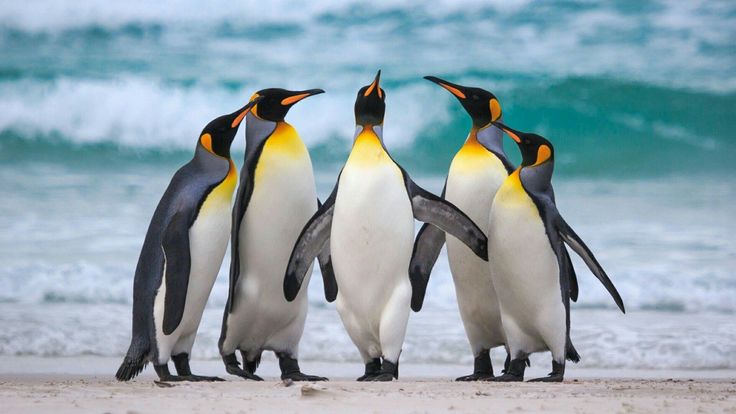
Imagine this: You’re knee-deep in powdery snow on the Antarctic Peninsula, the kind that crunches like fresh-baked meringue under your boots. The air smells faintly of salt and guano—yes, penguin poop—and suddenly a flock of Adélie penguins rockets out of the water like black-and-white torpedoes. They charge up the beach, squawking over prime nesting spots as if you don’t exist.
My own unforgettable moment came in 2018 during a research stint tagging Gentoo chicks. One bold little guy thought my red parka was a rival and charged me full-speed. I toppled backward into a snowdrift, tears of laughter freezing on my lashes. He won the showdown, but I walked away with a story I’ll tell forever.
Antarctica’s penguins aren’t just wildlife—they’re the continent’s chaotic, endearing hosts. But timing is everything. Show up at the wrong moment and you might miss the real magic. Here’s how to choose the perfect month for your penguin pilgrimage.
Understanding Penguin Seasons in Antarctica
Life in Antarctica revolves around the extreme rhythm of austral seasons: endless daylight in summer and bitter, sunless freeze in winter. Five penguin species truly call the continent home year-round—Adélie, Emperor, Gentoo, Chinstrap, and Macaroni—each with a breeding cycle shaped by sea ice and krill availability.
Visitors only have one true window: November to March, when melting sea ice allows ships to navigate. Within this short summer, penguin activity changes dramatically—from pebble-stealing nest builders to fluffy, newly hatched chicks and finally brave fledglings diving into the sea for the first time.
A guide once told me, “Mid-December is pure pandemonium—like a feathered daycare!” She wasn’t exaggerating.
The Penguin Calendar: What You’ll See Month by Month
Antarctica compresses a year’s worth of wildlife drama into four intense summer months. Here’s what each stage offers.
Late October — The Icebreaker Arrival
Antarctica wakes up under a low-slung sun as the first ships push through lingering ice.
Expect:
- Emperor penguins huddling with eggs balanced on their feet
- Jaw-dropping ice formations and massive new icebergs
- Lower crowds and slightly cheaper fares
The landscapes are pristine and surreal, though pack ice may delay landings.
November — Breeding Bonanza & Nesting Frenzy
Penguin season officially explodes.
Expect:
- Adélies and Gentoos reclaiming rocky beaches
- Pebble thefts and elaborate nest-building
- Long daylight and dramatic scenery framed in lingering ice
This month is intimate, energetic, and full of adorable courtship rituals.
December — Chicks Hatch & Chaos Reigns
This is the month of maximum cuteness.
Expect:
- Tiny, fluffy chicks cracking out of eggs
- Parents hunting nonstop to feed them
- Giant rookeries buzzing with constant movement
- Ice-free access to more remote bays
It’s the most popular (and priciest) time—because it’s also the most magical.
January — Peak Summer & Penguin Teenagers
By January, chicks grow into awkward feathered teens.
Expect:
- Hilarious failed jumping attempts and clumsy waddles
- Superb whale watching
- Best weather for kayaking and long Zodiacs
It’s energetic, warm (relatively), and full of wildlife variety.
February — Fledging, Molting & Whales Everywhere
Summer winds down and penguins prepare for independence.
Expect:
- Chicks taking their first dives—a breathtaking sight
- Adults molting into fresh plumage
- Orcas and humpbacks feeding in abundance
- Thinner tourist crowds
It’s emotional, photogenic, and less hectic.
March — The Quiet Farewell
The season closes with cooling temperatures and darkening nights.
Expect:
- Fewer penguins as they head to sea
- Excellent seal sightings
- Lower prices and serene landscapes
It’s a peaceful, reflective finale to the penguin season.
Best Months for Each Penguin Species
| Penguin Species | Prime Viewing | Key Behaviors | Best Locations | Notes |
|---|---|---|---|---|
| Emperor | Oct–Nov | Huddling, chicks sliding on ice | Weddell Sea, Snow Hill | Vulnerable to sea ice loss |
| Adélie | Nov–Feb | Nesting, colony migrations | Peninsula, Ross Sea | Climate-change indicator |
| Gentoo | Dec–Jan | Chick feeding, family scenes | Peninsula, Falklands | Declines in warming areas |
| Chinstrap | Jan–Feb | Fledging, pebble disputes | South Orkneys | Resilient, huge numbers |
| Macaroni | Feb–Mar | Molting | South Georgia | Millions strong |
Pros and Cons: Which Month Is Best?
November
Pros: Epic nesting rituals, pristine ice, fewer tourists
Cons: Colder, pack ice can block landings
December
Pros: Hatching season, best weather, 24-hour light
Cons: Crowds + higher prices
January
Pros: Whale watching + fun juvenile penguins
Cons: More slushy terrain, busy landing sites
February
Pros: Amazing fledging scenes, lower fares
Cons: More molting (and more smell!)
Penguins vs. Whales: What’s Better to See?
| Aspect | Penguins | Whales |
|---|---|---|
| Best Months | Nov–Feb | Jan–Mar |
| Style | Land-based, close-up | Zodiac-based, dramatic |
| Numbers | 10,000+ colonies | Smaller groups |
| Impact | Comedy & cuteness | Power & awe |
January is the sweet spot to enjoy both.
Planning Your Penguin Trip: Routes, Gear & Tips
- Route: Most trips start from Ushuaia; fly-cruise options avoid the rough Drake Passage.
- Budget: ~$8,000–$20,000 depending on duration and ship size.
- Ship Size: Under 200 passengers = more landings (IAATO rules).
Essential Gear:
- Layered thermal clothing
- Waterproof pants
- Insulated boots
- Binoculars
- Weather-sealed camera
- Seasickness meds
People Also Ask (With Quick Answers)
What’s the best month to see emperor penguins?
November—post-hatch, pre-melt.
When do penguins breed in Antarctica?
Most start around October–November; chicks hatch in December–January.
How many penguin species are in Antarctica?
Five core residents; more in sub-Antarctic islands.
Where can I see the most penguins?
Antarctic Peninsula for sheer numbers; South Georgia for macaronis.
How close can you get?
IAATO requires 5 meters—but penguins often wander closer on their own.
In Summary: When Should You Go?
If you’re a first-timer chasing the classic “penguin paradise” experience, choose:
December–January → Warmest weather, most chicks, highest activity.
If you prefer fewer crowds or more whales:
February → Fledging, whales, discounts.
If you’re after emperors or pristine ice:
Late October–November → Raw, dramatic, unforgettable.
Antarctica leaves its mark. I left pieces of my heart on those icy shores—and the penguins kept the rest.