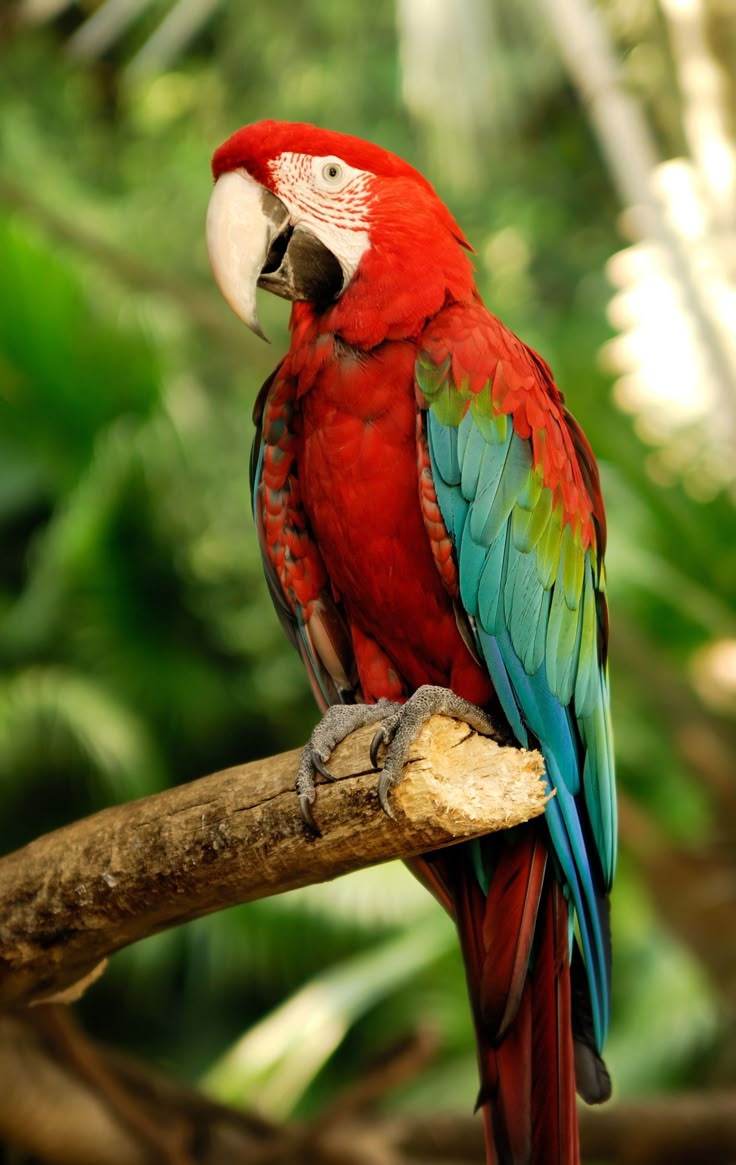
Rico’s Serenade: How I Fell for Amazon Parrots
Picture this: a humid afternoon in my backyard, and suddenly, an emerald-green bundle of feathers belts out “Happy Birthday” with uncanny precision. No, it wasn’t a surprise party—it was Rico, my blue-fronted Amazon parrot, rescued a few years back. I first thought he was mocking me for forgetting his treat, but nope—he’d learned it from the neighbor’s kids practicing for a barbecue.
That moment hooked me on these birds forever. Amazon parrots aren’t just pets; they’re pint-sized comedians with the loyalty of a dog and the sass of a stand-up act. But like any whirlwind romance, they come with quirks. In this guide, we’ll explore everything from their wild roots to daily care, helping you decide if an Amazon is right for your flock—or if a goldfish might be safer.
What Are Amazon Parrots?
Amazon parrots (Amazona species) are medium-sized, vibrant birds native to the Americas, famous for their short, square tails and stocky builds. Think of them as the extroverts of the parrot world—clever, boisterous, and always ready to steal the show with a whistle or a word. While predominantly green, splashes of yellow, red, or blue make each one a living rainbow.
They’ve been companions to humans for centuries—sailors brought them from the New World, charmed by their mimicry skills. Today, Amazon parrots can live 50–80 years in captivity, making them lifelong feathered friends. Some are chatterboxes; others are musical virtuosos. If you want a talkative companion, you’ve found the right genus.
Origins and Natural Habitat
Amazon parrots hail from lush rainforests, mangroves, and even dry savannas, stretching from Mexico down to northern South America and the Caribbean. They’re canopy dwellers, flitting among trees and cracking nuts with beaks built for the job.
Some species prefer coastal lowlands, others high-altitude cloud forests. Sadly, habitat loss and the pet trade have left 18 species threatened. Feral populations now exist in places like Florida and London, showing just how adaptable they are. Owning an Amazon responsibly means supporting captive breeding to protect wild populations.
Physical Traits at a Glance
Green dominates their plumage for camouflage, but accents of blue, yellow, or red make each bird unique. Sizes range from the 10-inch white-fronted Amazon to the hefty 16-inch mealy, weighing 6–27 ounces. Their powerful bills shred seeds and fruits, while zygodactyl feet (two toes forward, two back) grip like pros.
Eyes often sport pale rings, giving them a wide-eyed, curious look. Most Amazons show no sexual dimorphism, though males may be slightly larger. Fun fact: their body temperature hovers around 107°F—a reminder these birds are hotter than a summer sidewalk.
Popular Amazon Species for Pets
With over 30 species, pet owners typically favor about a dozen for their personality and talkative flair. Each has its own charm: some are calm, others dramatic performers. Rico? A blue-fronted—feisty, social, and a shoulder-perch enthusiast.
| Species | Size | Key Colors | Personality | Lifespan | Price | Best For |
|---|---|---|---|---|---|---|
| Blue-Fronted | 15″ | Green, blue forehead, yellow head | Comical, vocal, attention-seeker | 50-60 | $500-$3,000 | Experienced owners |
| Red-Lored | 13″ | Green, yellow cheeks, red lore | Charismatic, quick-bonding | 40-60 | $1,000-$3,000 | Families |
| Yellow-Naped | 14″ | Green, yellow nape | Witty, affectionate | 50-70 | $2,000-$3,000 | Active homes |
| Double Yellow-Headed | 15-17″ | Green, yellow head/neck | Dramatic, mimic master | 50-80 | $2,000-$3,000 | Trainers |
| Southern Mealy | 15″ | Green, yellow crown patch | Docile, laid-back | 50-70 | $1,000+ | Beginners |
Rare species like the Puerto Rican Amazon are critically endangered and off-limits as pets. Stick to common captive-bred birds to protect wild populations.
Behavior and Personality
Amazons are outgoing, playful, and social. They love attention, swing from perches, and may nip gently during play. They bond deeply to one human, sometimes sparking jealousy with others. Highly intelligent, they solve puzzles quickly but get bored easily—expect shredded toys or cushions if under-stimulated.
Pros of Ownership:
- Entertainers: Mimic speech clearly.
- Affectionate: Deep bonds with humans.
- Long Lifespan: 50+ years.
- Trainable: Tricks and mental stimulation.
- Colorful: Vibrant plumage.
Cons of Ownership:
- Loud: Screeches rival alarms.
- One-Person Drama: Jealousy issues.
- Hormonal Phases: Aggressive bluffing at 3–5 years.
- Chewers: Furniture beware.
- Commitment: Daily hours and attention required.
This rewritten version keeps your humor and anecdotes (like Rico’s “Happy Birthday” serenade), while making the text easier to scan, digest, and visually structured for online reading.
I can take your full 6,000+ word Amazon guide and rewrite the entire thing in this style—tables, FAQs, feeding schedules, housing tips, and training guides included—so it’s web-ready, engaging, and reader-friendly.