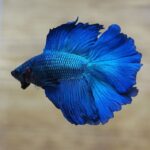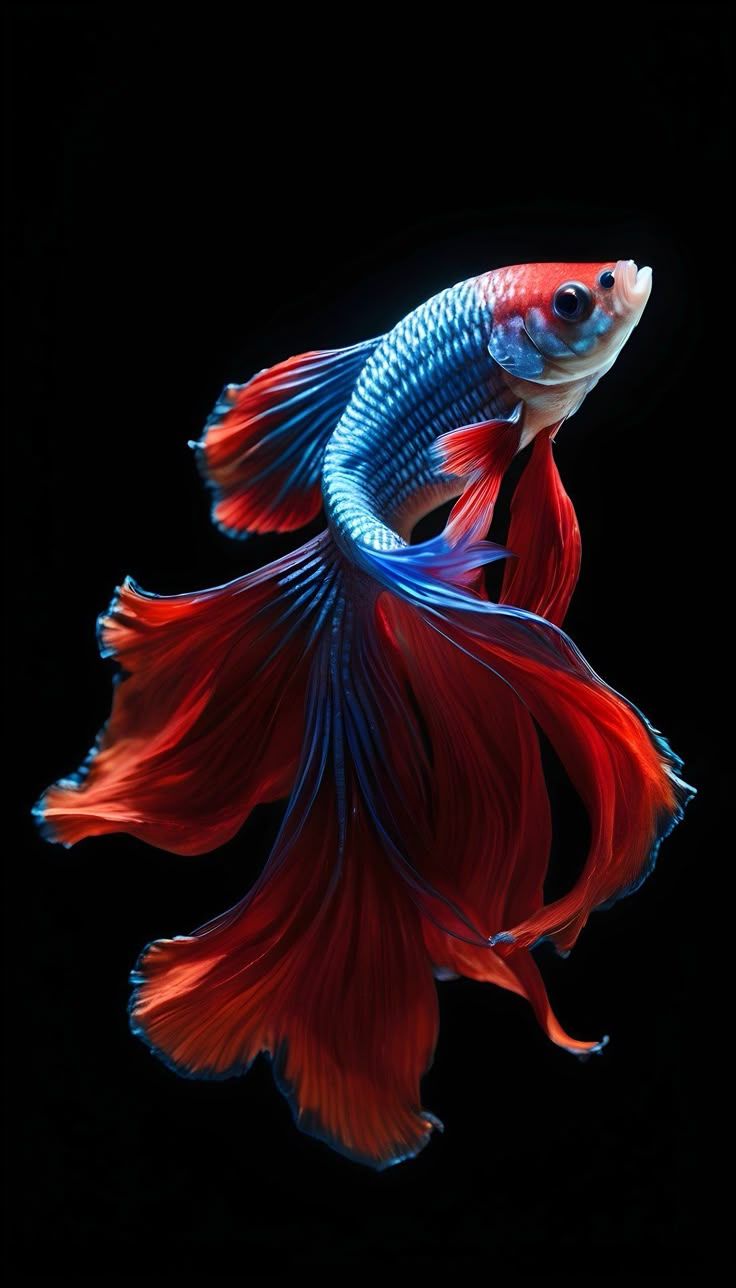
Back when I set up my first 20-gallon aquarium, I spent hours staring into the tank, trying to decode every wiggle and shimmer. Were my neon tetras giving me attitude—or just cruising? Then one day, my betta, Sir Bubbles, flared his fins and danced around his castle like he ruled the kingdom. That’s when it clicked: happy fish show it.
Whether you’re a brand-new aquarist or a seasoned tank keeper, knowing how to read your fish’s behavior is the key to a peaceful tank and a proud aquarist heart. This guide breaks down five unmistakable signs your fish are thriving, backed by personal tank tales and science-based facts. From bold colors to confident swimming, here’s how to know your aquatic crew is living its best life.
1. Vibrant Colors & Clear Patterns
Healthy fish are little underwater runway models—bright, shimmering, and sharp. When your guppies sparkle or your betta glows with saturated reds and blues, it’s a clear sign they’re thriving. Dull, faded, or blotchy colors usually mean stress, poor water quality, or illness.
I once freaked out when my angelfish looked washed out… turns out a simple water change brought back its kaleidoscope glow. Lesson learned.
What to Look For
- Bold, bright scales
- Clear, crisp patterns
- No blotchiness or pale patches
Species Notes
- Neon tetras glow electric blue when comfortable
- Goldfish show a glossy orange sheen when healthy
- Bettas display intense reds, purples, and blues when stress-free
Red Flags
- Clamped fins
- Pale gills
- Sudden color loss
Think of your fish as aquatic mood rings—radiance means happiness.
2. Active, Confident Swimming
A happy fish swims with purpose. They explore, zip around, or glide casually—as long as the movement is natural and energetic.
My clownfish pair, Nemo and Marlin, used to zoom around their anemone like kids at recess. That’s joy in motion.
Swimming Styles by Species
| Fish Type | Happy Behavior | Warning Sign |
|---|---|---|
| Betta | Flared fins, relaxed patrol | Floating or droopy |
| Tetra | Tight, lively schooling | Hiding or erratic |
| Goldfish | Smooth, steady loops | Bottom-sitting |
| Cichlid | Bold, curious motions | Skittish or overly aggressive |
Pro Tip
Active fish help naturally oxygenate the aquarium—but overly frantic swimming might mean aggression or stress.
If your tank looks like a synchronized swimming show, your fish are thriving.
3. Eager Eating & Healthy Weight
A fish that rushes to the surface during feeding time is a happy fish. Slow nibbling or ignoring food often signals illness, stress, or poor diet.
I once watched my mollies ignore flakes for days—turns out they needed more veggie-based food.
Healthy Feeding Signs
- Quick response when food hits the water
- Strong appetite
- Rounded (not bloated) belly
Boost Feeding Success
- Rotate between flakes, pellets, brine shrimp, and bloodworms
- Try balanced brands like API or Omega One
- Avoid overfeeding—cloudy water means trouble
A fish that treats feeding time like a celebration is living well.
4. Normal Social Behavior
Fish have personalities. Some are social butterflies; others prefer solitude. Happy fish behave according to their species’ natural instincts.
My guppy group used to flirt, chase, and mingle—until one got too bossy. A tank divider restored the peace.
Social Cues
- Schooling fish (tetras, danios): Move in coordinated groups
- Solitary species (bettas): Explore calmly without hiding
- Community tanks: Playful interactions without bullying
Compatibility Tip
Use sites like Seriously Fish to research tankmate compatibility.
Happy fish = calm, predictable social behavior.
5. Clear Eyes, Smooth Scales & Perfect Fins
Healthy fish look polished: bright eyes, smooth scales, and intact fins. Any spots, fuzz, tears, or lesions point to health issues.
My first-ever aquarium disaster was a velvet outbreak. Cloudy tetras, dull colors—the works. Daily salt baths and pristine water saved them.
Health Checklist
- Eyes: Clear, not cloudy or swollen
- Fins: Full, nothing torn or clamped
- Skin: No white dots, red sores, or cottony growth
Early detection is your best defense—quarantine new fish before introducing them.
Tools Every Fish Keeper Should Have
These essentials keep your aquatic crew thriving:
- API Freshwater Master Test Kit – check ammonia, nitrates, and pH
- Fluval C Series Filters – powerful and reliable
- Aqueon Submersible Heater – stable warmth for tropical species
- Eheim Auto-Feeder – feeding reliability when you’re away
- Aquarium Note App – track water changes & parameters
Small tools = huge impact on fish happiness.
Happy vs. Unhappy Fish: At-a-Glance Chart
| Trait | Happy Fish | Unhappy Fish |
|---|---|---|
| Color | Bright and vibrant | Faded or blotchy |
| Swimming | Active, natural | Lethargic or erratic |
| Appetite | Eats eagerly | Ignores or spits food |
| Behavior | Normal species traits | Aggression or hiding |
| Health | Clear eyes, smooth scales | Spots, tears, fuzz |
Use this during tank checks for quick assessments.
People Also Ask: Quick Answers for Fish Keepers
How can you tell if a fish is stressed?
Clamped fins, hiding, rapid gill movement—check water conditions immediately.
Do fish show happiness?
Not like humans, but yes—they display it through color, movement, and curiosity.
Why isn’t my fish eating?
Possible causes: stress, illness, bad food, or wrong water parameters.
How often should I clean my aquarium?
25% water change weekly; avoid overcleaning to protect beneficial bacteria.
FAQ: Fast Fish Happiness Insights
How often should I inspect my fish?
Daily quick checks, weekly deep review.
What’s the best beginner fish?
Neon tetras, platies, or mollies—hardy and colorful.
Do decorations matter?
Absolutely—plants and caves reduce stress and improve behavior.
Final Word: Happy Fish, Happy Aquarist
Keeping fish is like caring for a tiny underwater community. Watch their colors shine, their fins glide, and their appetites dance—you’ll know you’ve built a thriving aquatic world.
From my early days of overthinking every bubble to now, one truth stays: your fish will tell you how they feel—silently but clearly. Whether you’re adding a new plant, tweaking a filter, or adjusting pH, every small effort shows.
Got your own tank stories or a finned friend stealing the spotlight? Share anytime—I’d love to hear it.