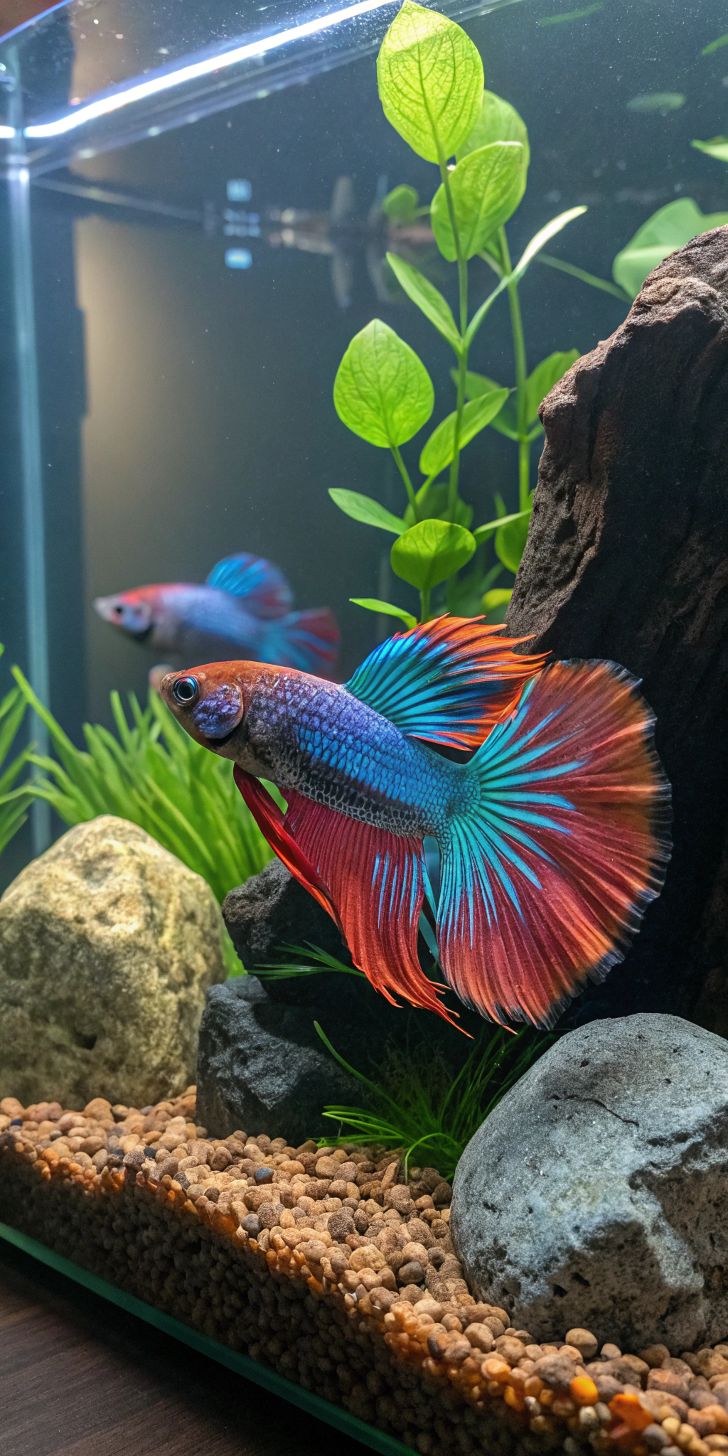
Remember that moment when you walked into a pet store and got mesmerized by tanks that sparkled like tiny neon fireworks? That was me ten years ago, fresh out of a tiny apartment, craving a splash of color in my new place. I splurged on a 20-gallon tank, threw in some neon tetras, and watched them school like they owned the place.
Fast-forward to today: my living room hosts a 55-gallon spectacle, full of feisty little personalities that wow guests at every dinner party. If you’re ready to add some underwater magic to your space—whether it’s your first tank or a full-blown community setup—this guide is your roadmap. We’ll cover 10 stunning tropical fish, debunk common myths, and help you set up a thriving tank without rookie mistakes. No gatekeeping, just real talk from someone who’s learned the hard way (and spent a few too many dollars along the way). Let’s turn your aquarium into the star of the room.
Why Tropical Fish Instantly Lift Your Mood
Tropical fish aren’t just swimmers—they’re living art. Bright blues, fiery reds, and shimmering yellows dance through your tank, creating a “vacation in a glass” vibe. These fish come from warm rivers and streams across South America, Asia, and Africa, where their colors evolved to attract mates or evade predators. Now? They brighten your living space instead.
In my first tank, a small school of cardinal tetras turned a dull corner into a midnight light show. It was cheaper than therapy and a lot less talky.
Beyond aesthetics, tropical fish thrive in setups that mimic their natural habitats—75-82°F water and slightly acidic conditions. With just a little effort, you get years of low-maintenance companionship. Want a zen, scroll-stopping tank? Tropicals deliver without the hassle of saltwater.
Tank Basics for Beginners
Jumping in without a plan? I’ve been there—cloudy water, stressed fish, and plenty of regret. Start simple: a 20-30 gallon tank is ideal for beginners. Bigger tanks forgive mistakes better, diluting waste and keeping water temperatures stable.
Pick a location away from drafts or direct sunlight; my first window-side tank nearly baked my fish before I caught on.
Essential gear:
- Heater: Keep the water steady at 78°F
- Filter: A gentle hang-on-back type works best for newbies
- Substrate: Gravel or sand for planting
- Plants: Java ferns, anubias, or moss—perfect hiding spots for shy fish
Pro tip: Always cycle your tank first—about 4 weeks to grow the beneficial bacteria that convert waste into plant food. No cycle = cloudy water and stressed fish.
Busting the “One Inch Per Gallon” Myth
That old advice? Ignore it. One inch per gallon doesn’t account for fish activity or waste production. My trio of discus sulked in a 29-gallon until I upgraded. The real rule: match your bioload to your filtration. Small fish like tetras are light; cichlids are heavy. Overstocking? A fast track to fin rot and frustration.
I also learned the hard way with guppies—what started as six quickly became thirty fry. Lesson: check breeding tendencies before your tank becomes a nursery explosion.